 North Carolina Criminal Law Updates






If you are stopped and charged with a federal DUI in the Outer Banks, and the officer is not a North Carolina Highway Patrol trooper 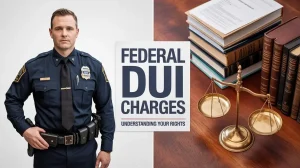 or county or local law enforcement officer, your case may be headed to federal court. Unlike most DWI charges in North Carolina, a federal DUI follows its own set of procedures, laws, and potential penalties. This can be confusing for both locals and visitors.
This article explains how federal DUI cases work in the Outer Banks, what makes them different from state DWIs, and what to expect if your case is on the docket in the Eastern District of North Carolina.
 rental house in Kill Devil Hills, you’re now facing a criminal charge that could very well follow you home.
  appreciate. The North Carolina Court of Appeals’ recent decision in
 court process in the Outer Banks and possible outcomes, and outline steps you can take along the way. If you or a loved one is dealing with a domestic violence charge, it’s a good idea to seek guidance from an experienced criminal defense attorney to discuss
 Order (DVPO) if filed under Chapter 50B. North Carolina law alleged victms who feel threatened or harmed in a personal, “domestic” relationship to petition the court for a civil protective order, sometimes referred to as a “50B order” or a “restraining order.”
 Order (DVPO) under Chapter 50B. It’s sometimes referred to as a “50B order” or “restraining order.” A judicial official can enter a DVPO against you, limiting (or even entirely preventing) your contact with the person who filed for protection.
 criminal charges. The North Carolina Court of Appeals recently addressed this reality in Simpson v. Silver, filing an opinion that clarifies how courts evaluate evidence in these cases. The decision, released November 5, 2024, provides guidance on what testimony courts will consider and what evidence they require.
 significantly impact your case.